FFT Perimeter Intrusion Solutions: Comprehensive Security Measures for Modern Enterprises
Wiki Article
Why Data and Network Safety Need To Be a Top Top Priority for every single Organization

Increasing Cyber Risk Landscape
As companies significantly depend on digital infrastructures, the cyber risk landscape has actually expanded dramatically more treacherous and intricate. A plethora of sophisticated attack vectors, including ransomware, phishing, and progressed relentless hazards (APTs), pose significant risks to delicate information and functional connection. Cybercriminals utilize advancing technologies and tactics, making it crucial for organizations to remain proactive and attentive in their protection actions.The spreading of Web of Things (IoT) devices has further exacerbated these challenges, as each attached gadget represents a potential access point for harmful actors. In addition, the increase of remote work has actually increased the assault surface, as employees accessibility business networks from various areas, frequently using individual gadgets that may not abide by stringent safety procedures.
Furthermore, governing compliance needs remain to evolve, necessitating that organizations not only shield their data but also show their dedication to protecting it. The raising combination of artificial knowledge and artificial intelligence into cyber protection techniques offers both opportunities and challenges, as these modern technologies can enhance danger detection but might likewise be exploited by foes. In this environment, a adaptive and robust security position is crucial for reducing threats and guaranteeing business resilience.
Financial Ramifications of Information Violations
Data violations lug significant monetary ramifications for companies, often causing expenses that prolong much past prompt remediation efforts. The first expenses usually consist of forensic examinations, system fixings, and the implementation of improved protection actions. The economic results can additionally intensify with a variety of extra elements.One major issue is the loss of earnings coming from diminished customer trust. Organizations may experience reduced sales as customers seek even more secure alternatives. Additionally, the long-term influence on brand reputation can result in lowered market share, which is hard to evaluate yet exceptionally impacts success.
Moreover, companies might encounter boosted expenses related to consumer notices, debt surveillance services, and potential settlement insurance claims. The financial burden can additionally expand to prospective increases in cybersecurity insurance policy premiums, as insurers reassess danger complying with a breach.
Regulatory Conformity and Legal Risks
Organizations deal with a myriad of regulatory compliance and lawful risks following an information violation, which can significantly complicate recuperation efforts. Different regulations and guidelines-- such as the General Data Security Law (GDPR) in Europe and the Medical Insurance Portability and Responsibility Act (HIPAA) in the United States-- mandate strict guidelines for information defense and breach notice. Non-compliance can lead to hefty fines, lawsuits, and reputational damages.
Furthermore, organizations have to navigate the complicated landscape of state and government regulations, which can differ significantly. The capacity for class-action claims from influenced customers or stakeholders additionally worsens lawful obstacles. Companies typically deal with analysis from governing bodies, which might enforce additional charges for failings in information administration and protection.
In addition to financial fft pipeline protection consequences, the legal ramifications of a data breach may necessitate substantial investments in legal guidance and compliance resources to take care of examinations and remediation efforts. Because of this, understanding and sticking to appropriate policies is not simply an issue of lawful responsibility; it is crucial for shielding the company's future and preserving operational integrity in an increasingly data-driven setting.
Structure Client Count On and Loyalty
Frequently, the structure of client trust and commitment depend upon a company's commitment to data protection and personal privacy. In an era where information breaches and cyber threats are increasingly widespread, consumers are extra discerning concerning exactly how their personal information is managed. Organizations that prioritize durable data security measures not only protect delicate information however also promote an environment of trust and openness.When customers regard that a company takes their information security seriously, they are most likely to take part in long-term connections keeping that brand name. This count on is enhanced with clear communication regarding information practices, including the sorts of details gathered, just how it is utilized, and the steps required to shield it (fft perimeter intrusion solutions). Business that take on a positive method to protection can differentiate themselves in a competitive industry, resulting in boosted consumer commitment
Furthermore, organizations that demonstrate responsibility and responsiveness in case of a safety and security occurrence can transform possible situations into possibilities for strengthening customer relationships. By regularly prioritizing data safety, services not just shield their properties but also cultivate a faithful client base that feels valued and protect in their interactions. This way, information protection becomes an integral component of brand honesty and consumer satisfaction.
Necessary Techniques for Security
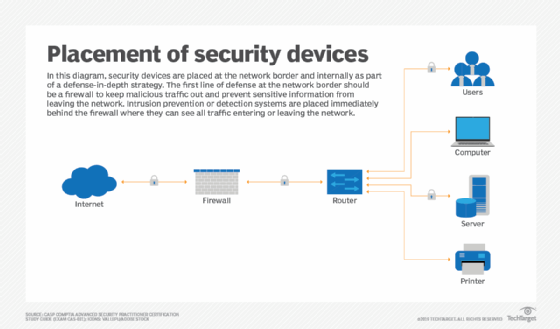
In today's landscape of advancing cyber risks, carrying out essential methods for defense is crucial for securing delicate info. Organizations has to adopt a multi-layered safety and security technique that consists of both human and technological components.First, deploying advanced firewall softwares and breach discovery systems can aid monitor and block harmful activities. Routine software program updates and spot monitoring are vital in addressing vulnerabilities that might be manipulated by assailants.
Second, employee training is crucial. Organizations needs to perform regular cybersecurity understanding programs, enlightening team regarding phishing frauds, social design techniques, and safe browsing practices. A well-informed workforce is an effective line of protection.
Third, information file encryption is important for protecting sensitive details both en route and at remainder. fft perimeter intrusion solutions. This makes sure that even if information is obstructed, it stays inaccessible to unauthorized customers
Verdict
Finally, prioritizing data and network security is important for organizations browsing the progressively complex cyber threat landscape. The economic repercussions of information violations, coupled with stringent governing compliance requirements, emphasize the necessity for robust safety actions. Additionally, protecting sensitive info not only minimizes dangers but likewise enhances consumer depend on and brand commitment. Carrying out essential approaches for protection can make certain organizational strength and foster a safe and secure atmosphere for both organizations and their stakeholders.In a period noted by an enhancing frequency and elegance of cyber risks, the essential for organizations to focus on information and network protection has never been much more important.Frequently, the foundation of customer depend on and commitment joints on a firm's dedication to information security and privacy.When clients perceive that a company takes their information safety and security seriously, they are a lot more most likely to involve in long-term relationships with that brand. By constantly focusing on information protection, organizations not just shield their properties yet additionally grow a dedicated consumer base that really feels valued and safeguard in their communications.In final thought, prioritizing information and network protection is important for organizations navigating the significantly intricate cyber risk landscape.
Report this wiki page